
About Summit County, Colorado
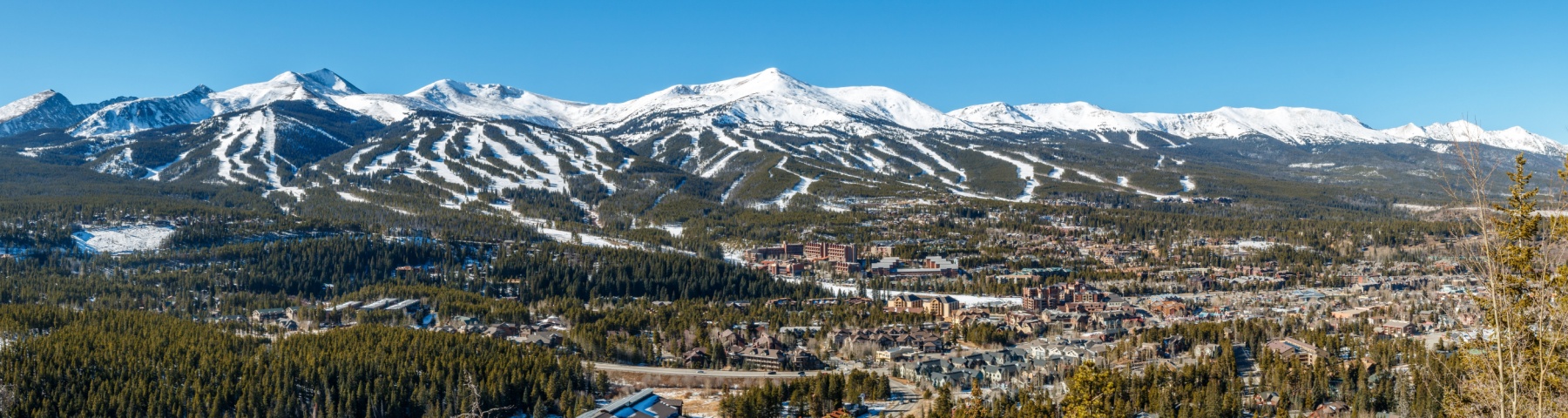
Summit County sits about an hour west of Denver and contains some of the most concentrated mountain recreation in the United States. Four major ski resorts, a sprawling reservoir, miles of paved recreation paths, and a collection of distinct towns with their own character make it a destination that can fill a long weekend or a week without anyone running out of things to do. It has earned the nickname "Colorado's Playground" for good reason, and that reputation holds up in every season.
What makes Summit County work as a destination is variety without distance. The four major ski resorts, Arapahoe Basin, Breckenridge, Copper Mountain, and Keystone, are within a 15-mile radius of each other, which means guests can ski a different mountain every day of a week-long trip without long commutes. That same compactness carries into summer, when guests can move between hiking areas, lakeside towns, bike trails, and resort activities without the county feeling spread thin.
The towns themselves each have a distinct personality. Breckenridge has a Victorian historic district and a lively Main Street. Frisco offers a quieter, more local feel with its own marina and walkable center. Silverthorne and Dillon sit along the reservoir with easy access to shopping, dining, and water recreation. Keystone and Copper Mountain are more resort-concentrated, built around the ski experience with villages that function well year-round. Travelers can choose a base that fits their style and still reach everything else within a short drive or a free bus ride.
Summit County also connects easily to the broader region. Vail is 30 minutes west on I-70. Leadville and its mining history are nearby. The Top of the Rockies Scenic Byway passes through. For guests who want a mountain trip with room to explore beyond one destination, Summit County's position in central Colorado gives it natural reach in multiple directions.
What Makes Summit County Stand Out
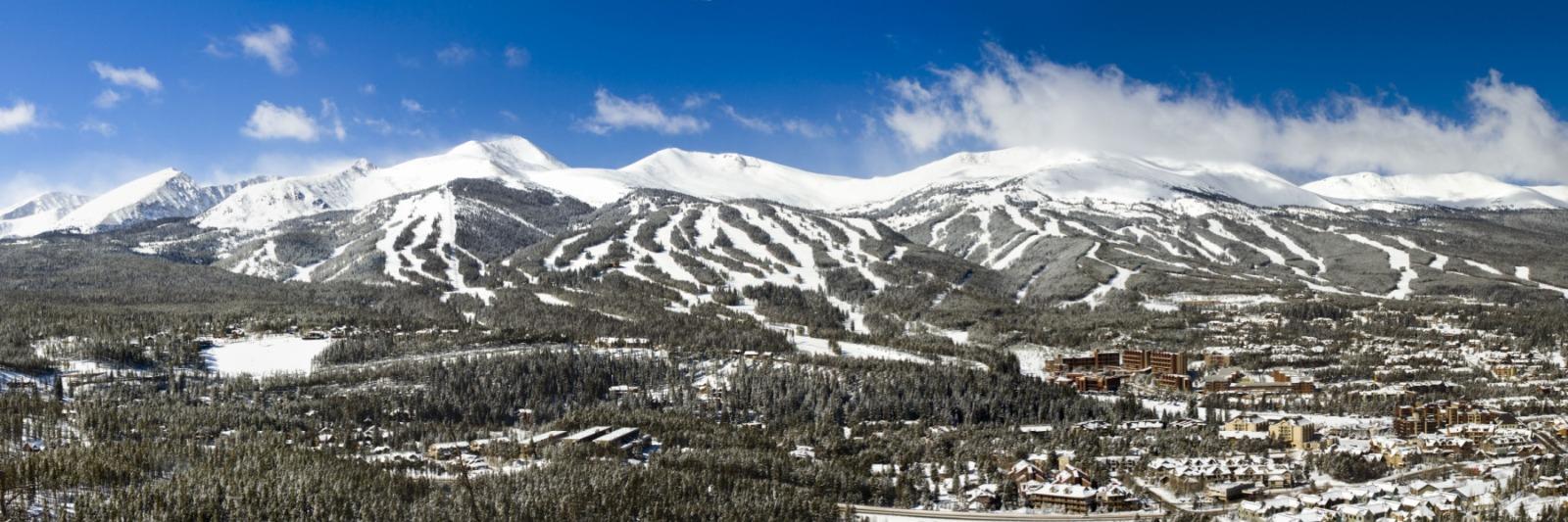
The density of ski terrain is the most obvious advantage. The four major resorts offer more than 3,000 combined skiable acres, covering every skill level from beginner slopes to expert bowls and chutes. That range means Summit County works for groups with mixed abilities, and it means even experienced skiers can spend multiple visits without covering the same ground twice.
Dillon Reservoir anchors the non-ski side of the county. The freshwater reservoir serves nearby towns and the city of Denver, and its marina offers sailing courses, boat rentals, and access to the water for a range of paddle sports and fishing. The Dillon Amphitheater, which sits on the lakeside, adds a cultural dimension with summer concert programming that draws visitors who are not primarily there for outdoor recreation.
The Summit County Recreational Pathway System connects the entire county with 55 miles of paved paths, giving guests a way to move between towns and recreation areas by bike or on foot without using a car. That network is one of the more underappreciated features of the county because it makes the whole area feel accessible in a way that most mountain destinations do not.
The Summit Stage free bus service connects all major towns and resorts within the county, which adds another layer of flexibility for guests who want to leave the car behind. Between the path network and the bus service, car-free days in Summit County are genuinely practical, not just theoretically possible.
The history is worth noting too. Several Summit County towns, including Breckenridge, Frisco, and Dillon, grew during the gold and silver mining era of the 19th century and survived long after the mines played out. That history shows up in Breckenridge's preserved Victorian architecture, the Country Boy Mine tour near Breckenridge, and the names of trails and lifts across the county. It gives the destination cultural texture that goes beyond recreation.
Winter in Summit County
AVERAGE ANNUAL SNOWFALL
SKI RESORTS
OF RECREATION PATHS
COMBINED SKIABLE ACRES
Winter is Summit County's signature season, but the experience varies considerably depending on where guests spend their time. Each resort has its own character. Breckenridge draws skiers for its steeps and is one of the most visited resorts in the county. Keystone is the largest resort by acreage and is the only one offering night skiing. Copper Mountain is known for its natural terrain separation by skill level and tends to be a favorite for intermediate and advanced skiers. Arapahoe Basin sits at the highest elevation in the county, with a summit of 13,050 feet, and is known for having some of the most challenging terrain available.
For guests who want snow activities without committing to a resort ski day, Summit County offers plenty of options in town. The Frisco Adventure Park features tubing, Nordic skiing, and a beginner terrain area, and an 8-mile groomed recreation path connects Breckenridge with the Frisco Adventure Park for cross-country skiing and winter fat biking. Keystone Lake freezes into the largest Zamboni-maintained outdoor ice rink in the United States each winter. Snowmobiling, sleigh rides, snowshoeing, and backcountry hut experiences through the Summit Huts Association round out a winter activity list that goes well beyond the ski hill.
The logistics of a multi-resort ski trip are also easier here than most places. Because the resorts are close together and connected by free transit, guests staying anywhere in the county can realistically ski several mountains in a single trip without relocating their accommodation. That flexibility is one of Summit County's clearest competitive advantages over single-resort destinations.
Summer in Summit County
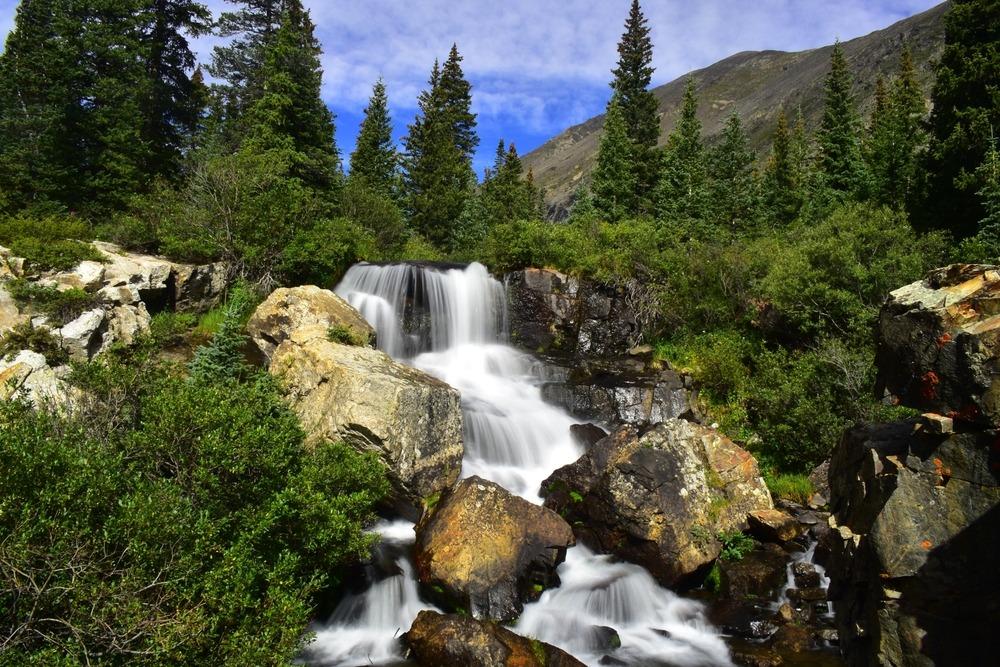
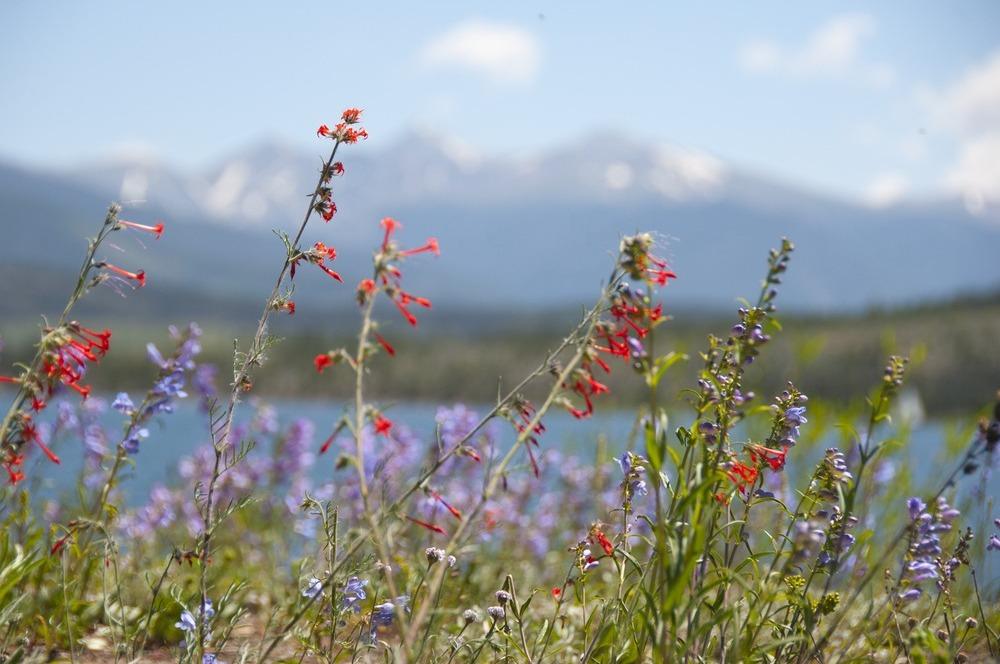
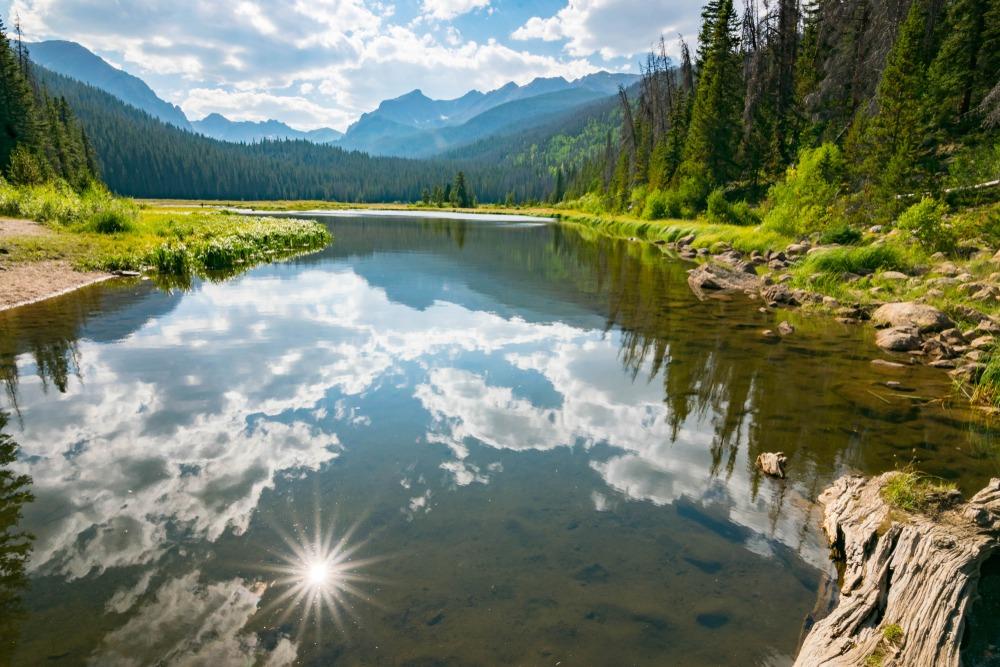
Summer transforms Summit County into a hiking and biking destination built around Dillon Reservoir and the surrounding national forest. The ski infrastructure shifts to serve summer visitors, with gondolas carrying hikers to mountain-top trailheads, bike parks opening on resort terrain, and the lakeside paths and marinas in Frisco and Dillon drawing water recreation visitors from across the region.
The paved recreation path network allows guests to bike between Frisco and Breckenridge along a scenic route, or tackle the Lake Dillon loop for a longer ride with significant views. For more serious cyclists, trails extending toward Loveland Pass challenge even experienced riders at altitude. The county's trail network covers beginner day hikes all the way up to serious summit routes, including Quandary Peak at 14,265 feet, one of three 14ers accessible from within Summit County.
On the water, the Dillon Marina offers sailing courses and boat rentals, and the Frisco Bay Marina provides access to kayaking, paddleboarding, canoeing, and fishing on the reservoir. Marina Park, the Dillon shoreline, and the Peninsula Recreation Area give families and casual visitors space to spend time near the water without booking a boat or a lesson.
The resort villages stay active through summer as well. Copper Mountain operates a mountain coaster, climbing wall, go-karts, bumper boats, and bungee trampolines through its Epic Discovery summer program. A scenic chairlift leads to a mountaintop barbecue restaurant. Breckenridge offers gondola rides, guided peak ascents, and a full events calendar that keeps its historic downtown busy from June through September. Keystone's bike park and lake activities anchor its summer programming.
The Dillon Amphitheater hosts lakeside concerts throughout the summer, and events like the Breckenridge International Snow Sculpture Championships, the Keystone Bluegrass and Beer Festival, and Frisco's Colorado Barbecue Challenge give visitors additional reasons to plan trips around specific weekends.
Spring and Fall in Summit County
Spring and fall bring the quietest stretches of the year to Summit County, and for some travelers that is exactly the appeal. Lodging tends to be more available and more affordable, the towns feel unhurried, and the landscape does something different in each season.
Fall is the more celebrated of the two. Aspen groves across the county turn gold from late September into October, and the views from trail systems, scenic drives, and lakeside paths take on a quality that draws visitors specifically for the color. Scenic drives like the route through Loveland Pass offer particularly dramatic views during the fall season. The dining scene, cultural programming, and shopping in towns like Breckenridge and Frisco remain fully active through fall, making it a good time for a slower, more town-focused trip.
Spring is a transitional period. Ski resorts often extend their seasons into April and sometimes May, with Arapahoe Basin historically among the last resorts in Colorado to close due to its high elevation. Lower on the mountain, the trails are coming back into condition and the towns are gearing up for summer. For guests who are flexible on timing and want to combine late-season skiing with the beginning of warmer weather, late spring can offer an unusual mix of both.
Choosing Where to Stay in Summit County
Because the towns and resorts are so close together, where guests choose to stay in Summit County matters less than it might in a larger region. Even so, each base has a different feel.
Breckenridge suits guests who want a full resort and town experience in one place, with a historic downtown, strong dining and nightlife, and ski terrain right outside the door. It is the largest and most lively town in the county and tends to suit guests who want a lot happening around them.
Frisco works well for guests who want a quieter base with easy access to the whole county. Its central location, walkable Main Street, and marina make it practical for multi-activity trips without the intensity of a resort-center stay.
Keystone and Copper Mountain are right for guests who want to stay within the resort, keep logistics simple, and have activities close at hand without venturing into town. Both villages are self-contained and family-friendly.
Silverthorne and Dillon offer a slightly more local, less resort-centric feel, with access to the reservoir, good dining options, and a position on I-70 that makes reaching any part of the county straightforward.
For guests who are not sure which town fits best, the honest answer is that most of Summit County is reachable from any of its towns within 20 minutes. The decision often comes down to atmosphere and budget more than logistics.
Is Summit County the Right Fit for Your Trip?
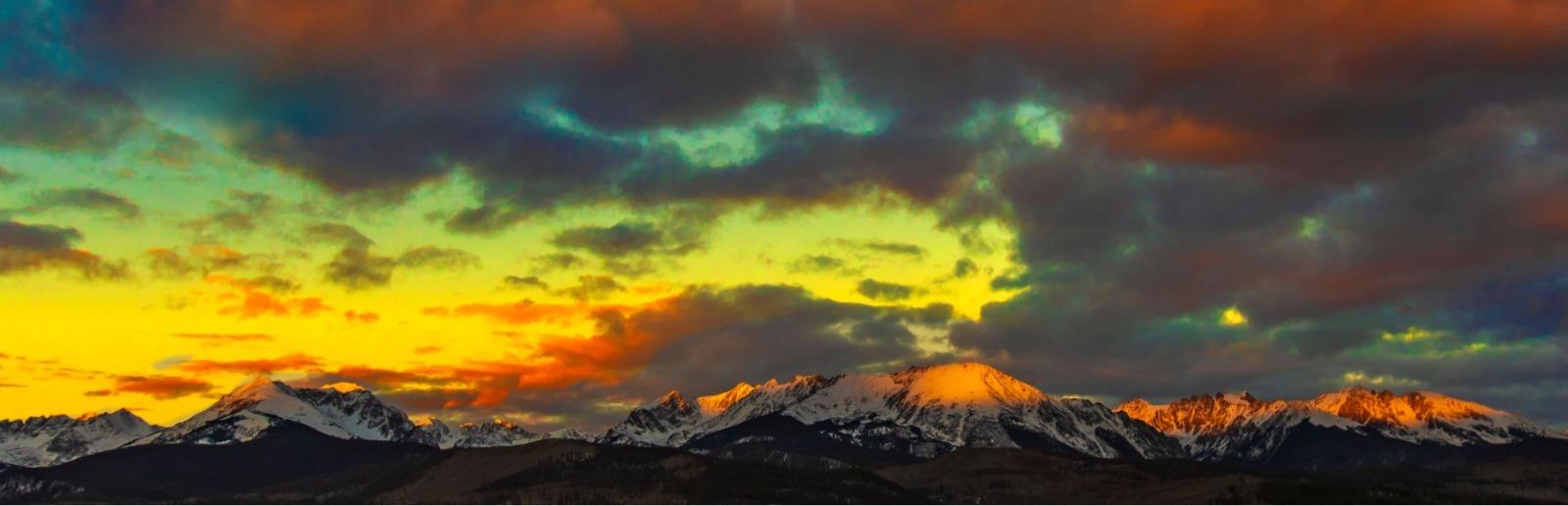
Summit County works for a wide range of travelers because it does not ask them to commit to a single experience. Families who want a mix of ski days and town time, groups with different skill levels or activity preferences, couples who want outdoor recreation alongside good food and local character, and guests planning a longer mountain vacation with room to vary the itinerary all tend to find Summit County delivers.
It is also a destination that rewards return visits. The combination of four ski resorts, multiple distinct towns, a reservoir, and enough trail and event variety to fill multiple trips means guests rarely feel like they have exhausted what the county offers. Many people who come once keep coming back, often staying in different towns and exploring different parts of the county on each visit.
For guests who want a straightforward ski-and-stay trip, Summit County is among the most practical options in Colorado given its proximity to Denver and its resort density. For guests who want a more layered mountain experience, the county has the depth to support it.
Plan Your Stay
Browse and book your Summit County vacation rental directly on our site. Search by travel dates, group size, and location to find the right fit, and reserve when you are ready. If you own a home in Summit County and are thinking about vacation rental management, Ski Country is here to help with that too.